Level 2 Psychological Support Skills – Now CPD certified
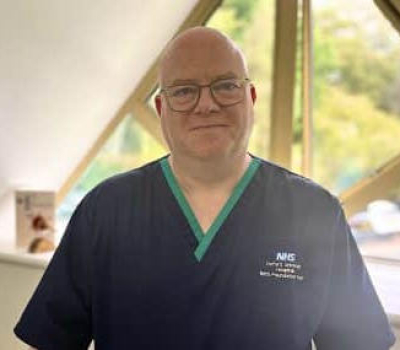
Stuart Oliver – Hospice Nurse since 1996 – Oxford University Hospitals
Stu attended the course in April 2025
Before attending the course, I didn’t really have any worries or concerns before starting. I knew I was going to learn something valuable. Knowing the two facilitators gave me confidence that the course would be of the highest quality. I’d worked alongside both for many years in different teams, so I had no doubts regarding their experience and teaching ability.
After the course, I’ve incorporated what I learnt into teaching medical students. Secondly, I feel much more confident when supporting patients who express suicidal thoughts.
Before the course, I had some insight in those situations, and even if I felt confident, my body language sometimes gave away my internal anxiety. Now, I feel grounded and assured, and patients can sense that. I can feel the impact. It hasn’t made the conversations any less serious or emotionally demanding, but I now have evidence-based skills to rely on.
How did the course help in your medical teaching?
I now explain stress and anxiety more clearly to students. For example, distinguishing between:
- Acute stress reaction (resolves in hours to days)
- Adjustment disorder (resolves within six months)
- Post-traumatic stress disorder (longer, variable course)
I also teach that stress is a response to external factors, whereas anxiety is an internal response. With panic attacks, I describe the cyclical nature and encourage students to look for the point where someone can “step off the spinning top.”
The “aha” moment was to listen for words like worthlessness, shame, and guilt. These can be red flags for suicide risk and need gentle exploration. Giving space for these words, and asking follow-up questions, can make a real difference in supporting patients. What resonated with me was the interactive communication practice. Some of it was revision from my CBT first aid training, but there were also gaps I hadn’t noticed. Revisiting these skills refreshed my approach and has made me more thorough. The structure of the course — with a week’s break between sessions — was excellent. It gave me time to apply new skills in practice, reflect, and bring back questions for the next session.
The impact I felt during this course it was more than just communication skills, as it directly supports healthcare professionals in meeting the psychological needs of patients and families. I’ve already recommended it to others, not just those palliative care. The outcome from this study ansferable across all fields of healthcare — any healthcare professional from any discipline working with any group of patients or relatives could benefit.
I absolutely recommend this course.